Transdisciplinary Movement redefining Information System (IS) integral to Socio-Ecological-Technical System (SETS)
Author: Sathiyanarayanan Palani
Date: 2025-11-17
Tags: #FNMA
This essay examines the urgent need to redesign information systems so they operate with transparent, observable standards that consistently bring civic societies closer to ground truth. Such systems would address a critical "supply chain problem" faced by fact-checking organizations: even when accurate information is produced, it rarely reaches the public with the speed, clarity, or scale needed to counter misinformation effectively.
Predictive research from major global institutions underscores the severity of the growing infodemic:
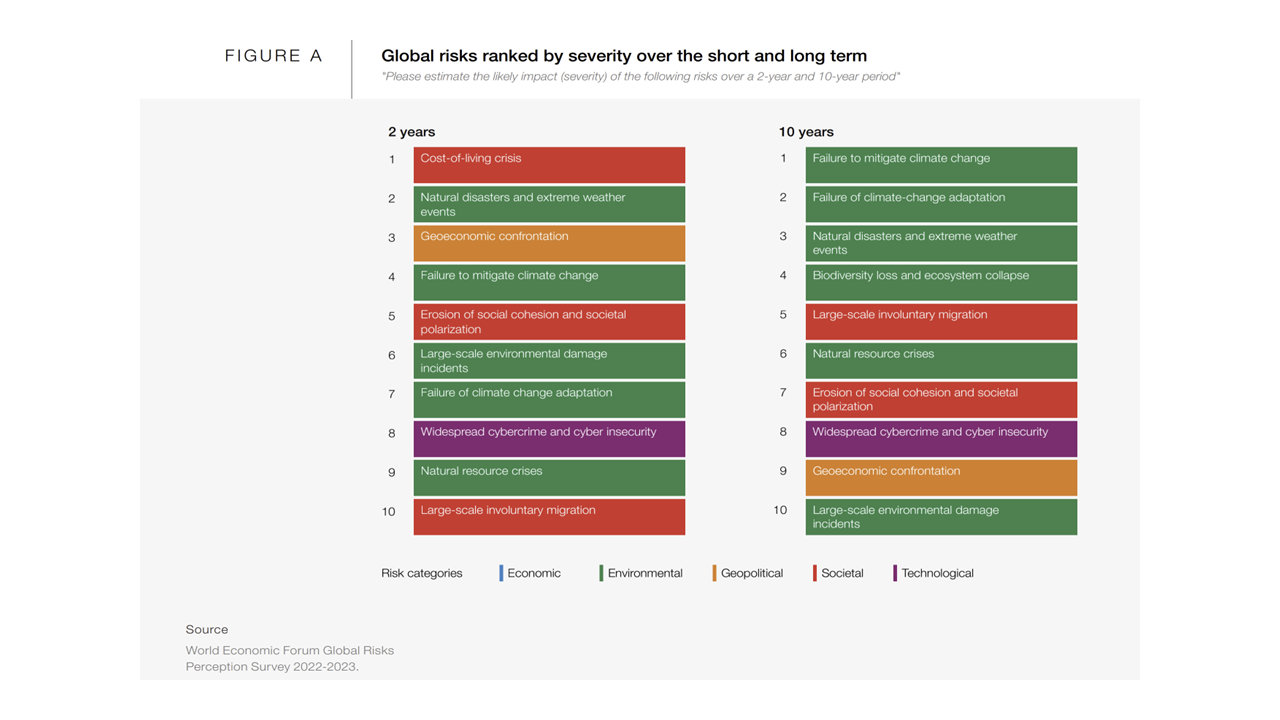
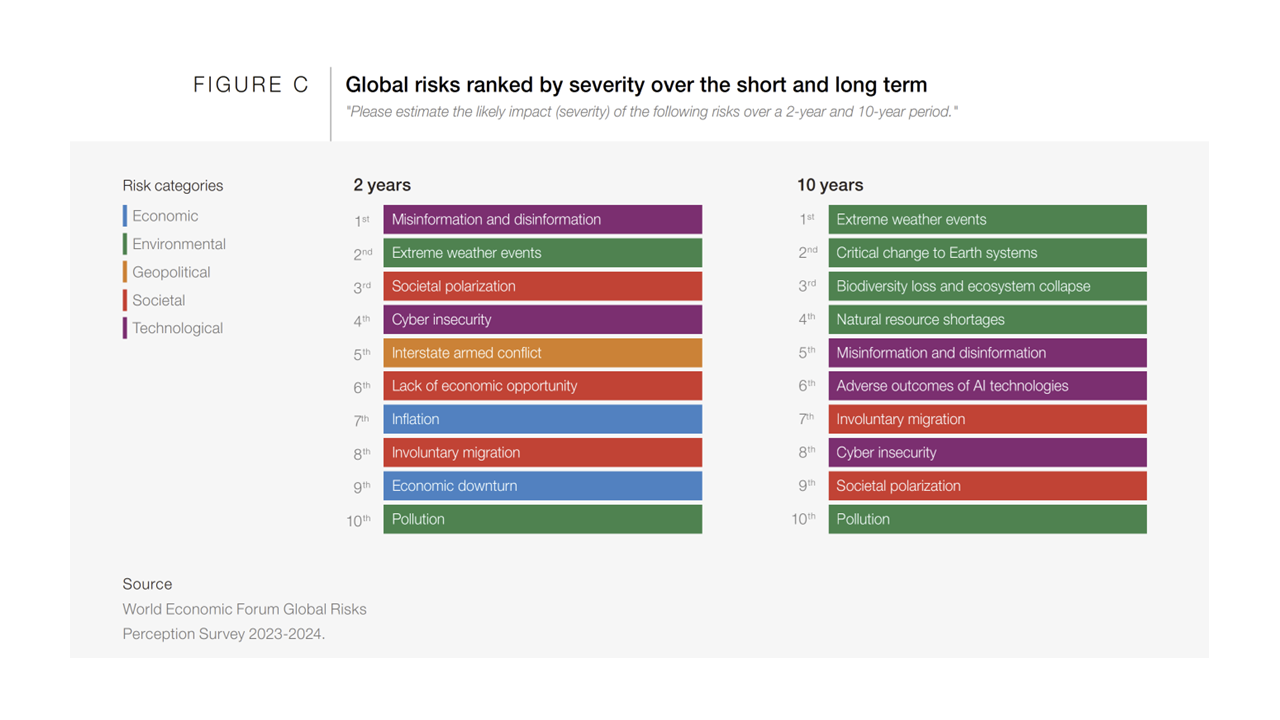
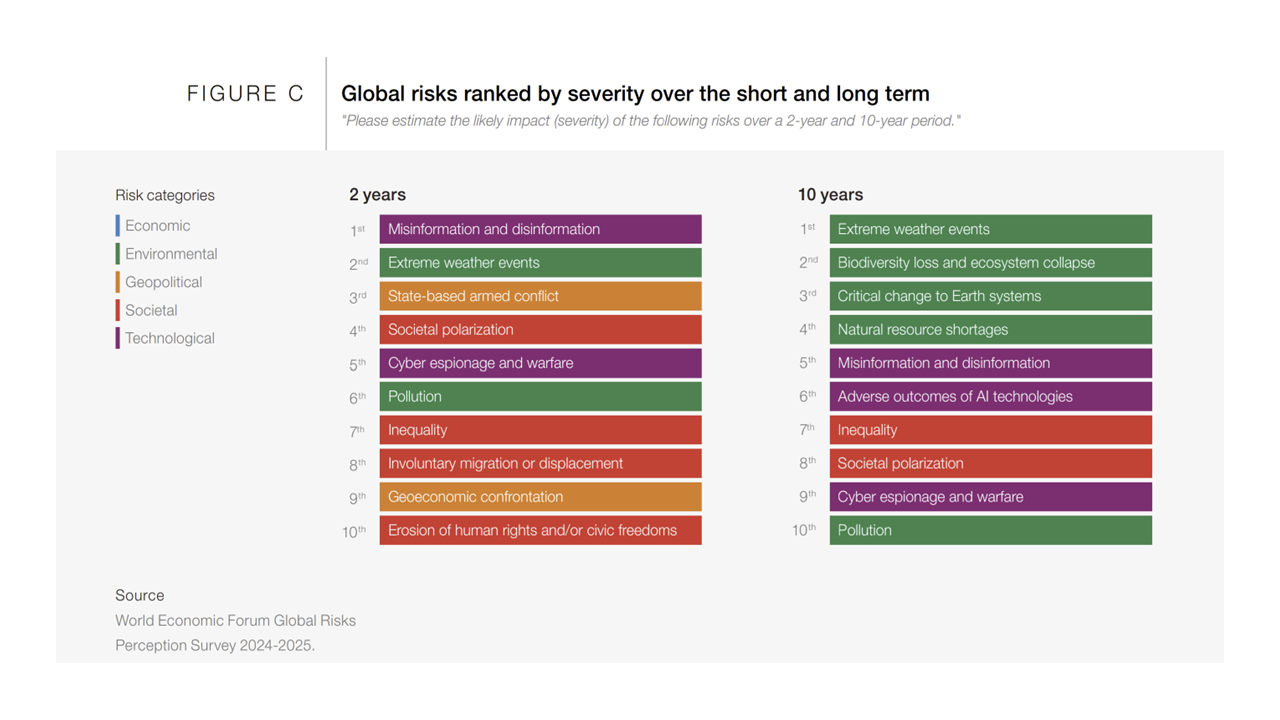
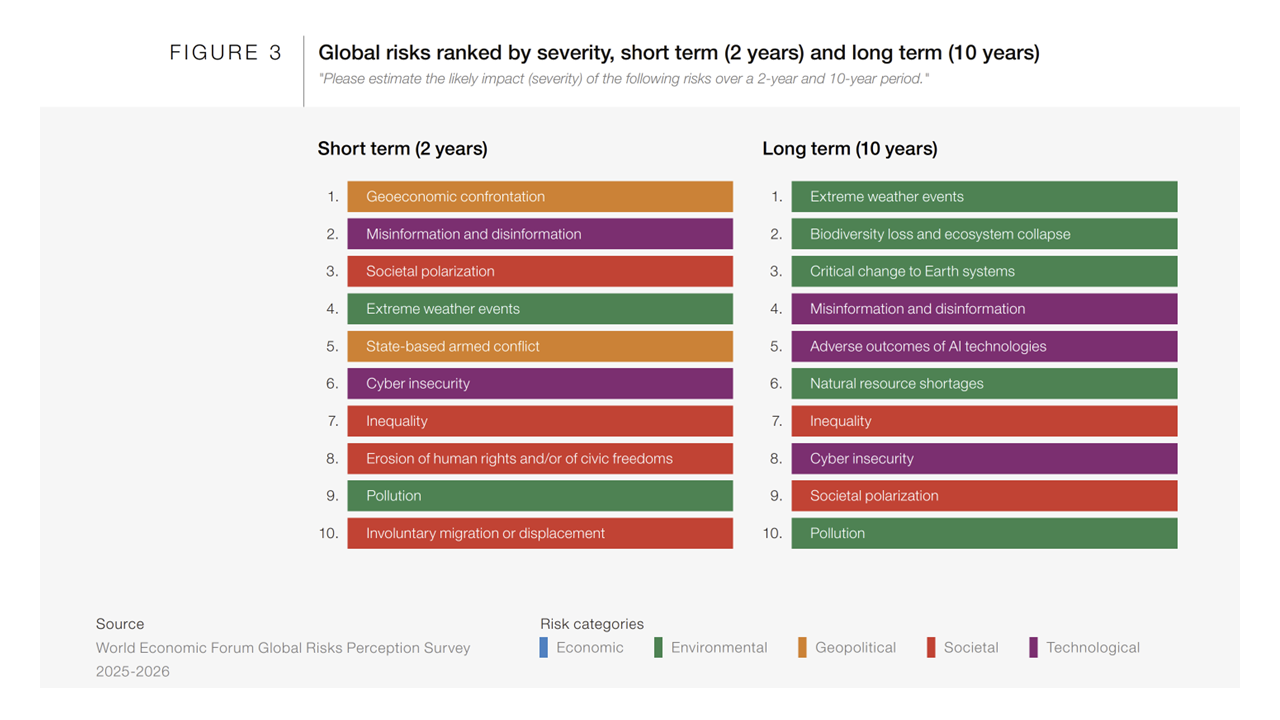
The World Economic Forum identifies misinformation and disinformation as the most severe short-term technological risk globally (rank 1) and a top long-term risk (rank 5), highlighting the systemic impact these phenomena can have on political stability, public health, and economic functioning.
Global surveys between 2017 and 2022 reveal a consistent decline in trust toward news institutions across multiple regions and demographics, suggesting that mistrust is no longer an isolated cultural trend but a structural challenge.
Although internet penetration has increased worldwide, the quality of information reaching citizens has deteriorated, creating a paradox where greater access does not equate to better understanding. This decline emphasizes the necessity for streamlined information flows supported by strict, consistent, and resilient fact-checking practices.
Together, these trends illustrate a widening gap between the production of verified information and its public uptake. Addressing this gap requires a new information infrastructure—one that not only validates facts but distributes them reliably, visibly, and equitably. Such an infrastructure would enhance civic literacy, improve collective reasoning, and reinforce democratic resilience in an era where misinformation spreads faster than truth.
The Tigris–Euphrates basin is often called a Cradle of Civilization because its fertile but unpredictable rivers pushed early communities to build irrigation systems, coordinate labor, and develop shared administrative tools such as clay records and cylinder seals. These technologies did not serve as currency but as information systems that enabled authorization, accountability, and collective management of resources.
Although Mesopotamian city-states often competed, their survival depended on cooperation: maintaining canals, regulating water access, and aligning many actors around common procedures. The rivers thus produced not only agricultural surplus but also the need for organizational practices that bound communities together.
Today, civic societies face analogous challenges. Instead of water, we manage complex flows of information. Effective coordination, fairness, and social cohesion now rely on digital and institutional infrastructures that allow groups to communicate, trust one another, and act collectively.
Habermas's concept of the lifeworld clarifies this continuity: just as early riverine societies depended on shared communicative frameworks to sustain cooperation, modern communities require information systems that reinforce solidarity and enable equitable, collective action.
The human body is a remarkable system: despite its vulnerabilities, it coordinates complex actions with extraordinary precision. Signals from the brain travel through the central and peripheral nervous systems, and muscles respond effectively because of continuous feedback from proprioceptors that keep movement synchronized in real time. The brain's top-down commands may seem dominant, but it is the subtle bottom-up feedback loops that make reliable action possible.
Societies require a similar balance. Counties, nations, and global communities need transparent, observable feedback systems that reveal patterns in public behavior and collective sentiment. Yet most fact-checking bodies and official institutions lack this responsiveness. Governments and global organizations recognize the dangers of an escalating infodemic, but they cannot solve it through taxis alone—through imposed, centralized directives.
What is needed is a complementary cosmos: an emergent, bottom-up information ecosystem built by technologists, sociologists, economists, and psychologists. Such a system must arise from shared participation and organic coordination rather than command-and-control edicts. As Douglas Hofstadter observed in Gödel, Escher, Bach, complex collective intelligence emerges when many simple agents align through shared signals.
By cultivating this cosmos-like culture of collective cognition, societies can build the subtle informational architecture in which shared intelligence—and durable civic cohesion—can genuinely take shape.
Over the past decade, artificial intelligence has advanced rapidly, while critical thinking and rational reasoning have eroded at a comparable pace. This imbalance creates fertile ground for using AI to generate soothing symbolic narratives—artifacts that reinforce intangible identities such as race, color, or ethnicity. These narratives offer temporary comfort to individuals experiencing long-term identity crises, but they can also deepen dependence on these institutions or push people toward more radical sources of identity.
Recent global events reflect this dynamic. Movements that began as peaceful demonstrations—such as those in Nepal and Bangladesh—escalated into large-scale unrest and even regime change. These upheavals were driven not only by economic inequality but by sociological fragmentation amplified by social media metrics, which function as perverse incentives that reward outrage, polarization, and emotional volatility.
Restoring social cohesion requires subtle and sustained cultural reforms—measures that steer communities away from the need for disruptive, brute-force revolutions. With thoughtful technology design, we can build infrastructures that bring citizens and governments into recurring, pro-social practices, where long-term well-being is valued over short-term, self-centered engagement. The role of an intangible, distributed network would be to cultivate digital literacy, media literacy, and basic statistical reasoning, equipping people to navigate the post-truth environment rather than be consumed by it.
This hybrid, horizontal social movement differs from traditional uprisings: it seeks no singular moment of change but a durable shift in collective behavior that endures over time. With measurable improvements and consistent participation, communities can rebuild solidarity—what Ibn Khaldun called asabiyyah—and reinforce the sense of responsibility and meaning that Viktor Frankl described as essential to human purpose and belonging.
The advent of artificial intelligence marks not merely a technological inflection point but a civilizational one—demanding that human societies evolve in tandem with the systems they have created. History offers a precedent: the agricultural revolution did not simply produce more food; it rewired social structures, norms, and cognitive habits across generations. AI presents an analogous pressure, except the pace of change now outstrips humanity's traditional capacity to adapt.
The challenge, however, is not the quantity of information available—it is the quality. Ant supercolonies, some of the most sophisticated collective organisms on Earth, do not succeed through information overload. They thrive because each agent follows simple, reliable signals embedded in shared norms and chemical gradients. Their civilizational coherence emerges from consistent, high-quality informational cues—not noise. Advanced human societies aspiring toward comparable resilience must likewise prioritize the quality, reliability, and social embeddedness of information over its sheer volume.
This points toward a gradualistic model of co-evolution: one in which social norms, institutional systems, and processes adapt incrementally alongside technological capability. Rather than revolutionary ruptures, this path favors iterative reform—embedding new behaviors into everyday civic life so that the population grows in collective reasoning capacity alongside the tools it uses. The goal is not to resist AI but to evolve the social infrastructure around it, so that communities can harness its benefits while preserving the deliberative, trust-based foundations that distinguish advanced civilization from mere complexity.
James Carse's distinction between finite and infinite games offers a clarifying lens for understanding the misinformation crisis. Finite games are played to win—they have defined endpoints, fixed rules, and clear victors. Infinite games, by contrast, are played to keep playing: the goal is continuation, adaptation, and the cultivation of conditions in which participation itself can persist.
Misinformation campaigns operate as finite-game actors. They exploit the passive problem of a disengaged, unobservant public—flooding the information environment with noise precisely because there is no active counter-mechanism to detect, surface, and neutralize it in real time. The asymmetry is structural: bad actors need only introduce confusion, while good actors must achieve clarity—an inherently harder task when no shared observational infrastructure exists.
What is needed is an active, observable information system—one that transforms the reactive posture of fact-checking into a dynamic, participatory process. Such a system reframes the game: rather than chasing individual falsehoods in a finite sprint, it builds the conditions for an infinite game of civic engagement. By making misinformation patterns visible, measurable, and socially legible, it shifts the incentive structure for all players.
Crucially, this active system also serves a passive function: it generates solidarity. When citizens observe that others are engaging with the same information environment—checking claims, flagging patterns, building shared understanding—it cultivates a sense of collective purpose. This passive solidarity does not require coordination; it emerges organically from shared participation in a transparent system, binding actors across a society without the need for top-down orchestration.
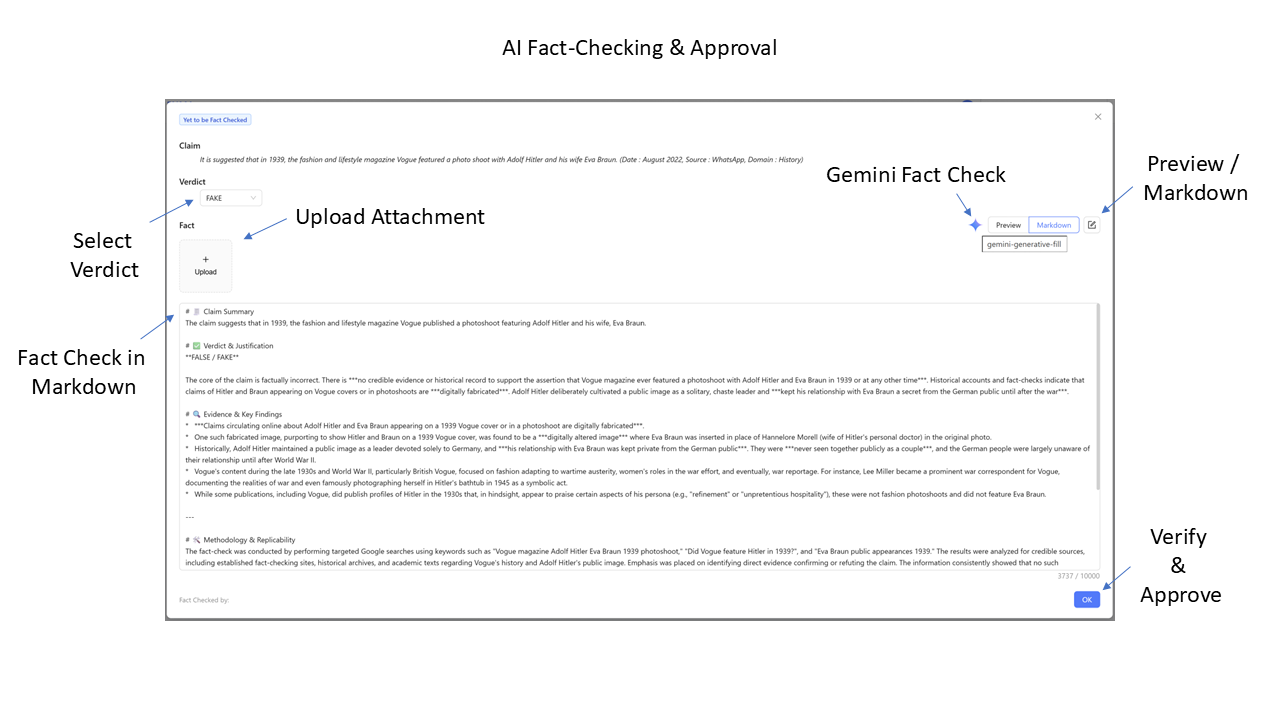
At its deepest level, the vision here is to create an ecosystem of tools capable of distributing verified information and observing how populations respond to recent misinformation—in doing so, serving as a common, neutral platform for all fact-checking organizations involved. Rather than each organization operating in isolation, this shared infrastructure allows their efforts to converge around a unified data substrate.
The data statistics calculated at runtime—based on collective user behavior—act as an initial pivot point for heuristics about population-level reasoning. These aggregate signals are not prescriptive verdicts but descriptive mirrors: they allow people of diverse backgrounds to perceive where collective understanding stands, and to improve their own reasoning relative to that baseline. The act of perceiving one's position within a larger behavioral distribution is itself a form of behavior development.
This dynamic gives rise to cybernetics—a recursive feedback loop in which the system learns from users as users learn from the system. As communities engage more rigorously with fact-checks, the quality of behavioral data improves; as data quality improves, the system's capacity to surface meaningful patterns grows; as patterns become more legible, users develop sharper epistemic instincts. This co-evolutionary acceleration between users and fact-checks makes the tool ecosystem progressively more robust—not through top-down mandates, but through the self-reinforcing logic of a well-designed feedback architecture.
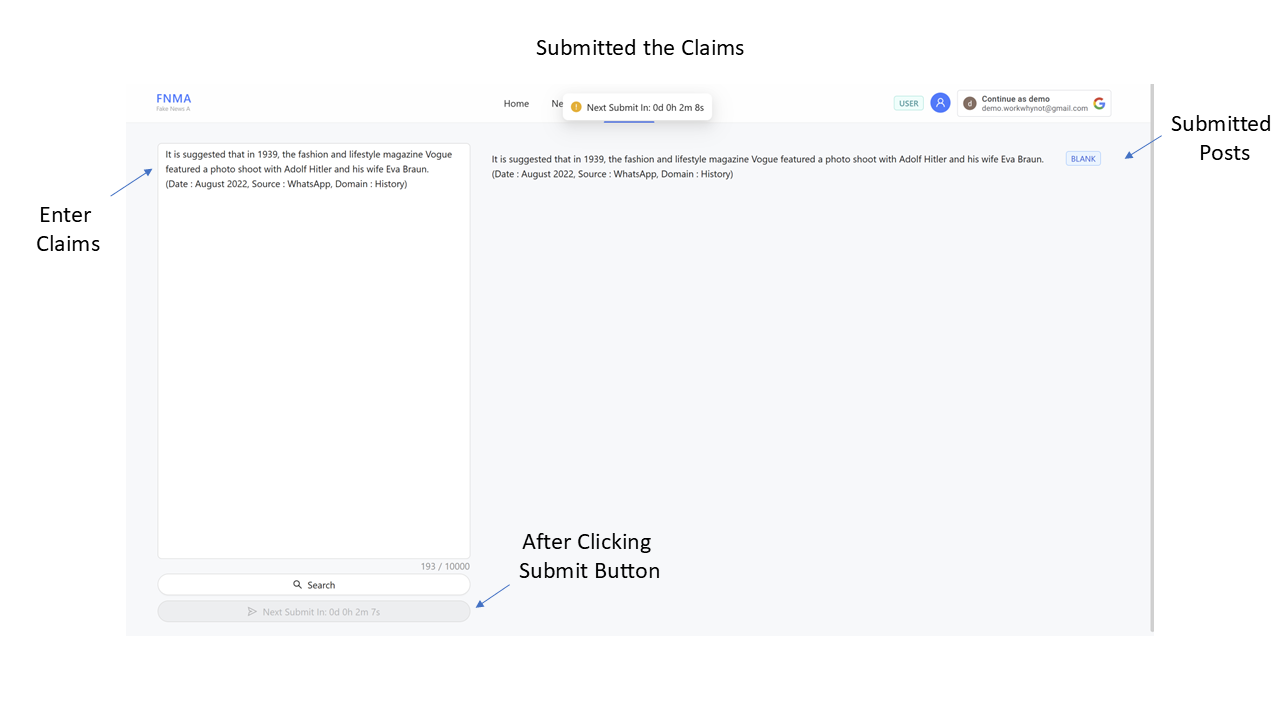
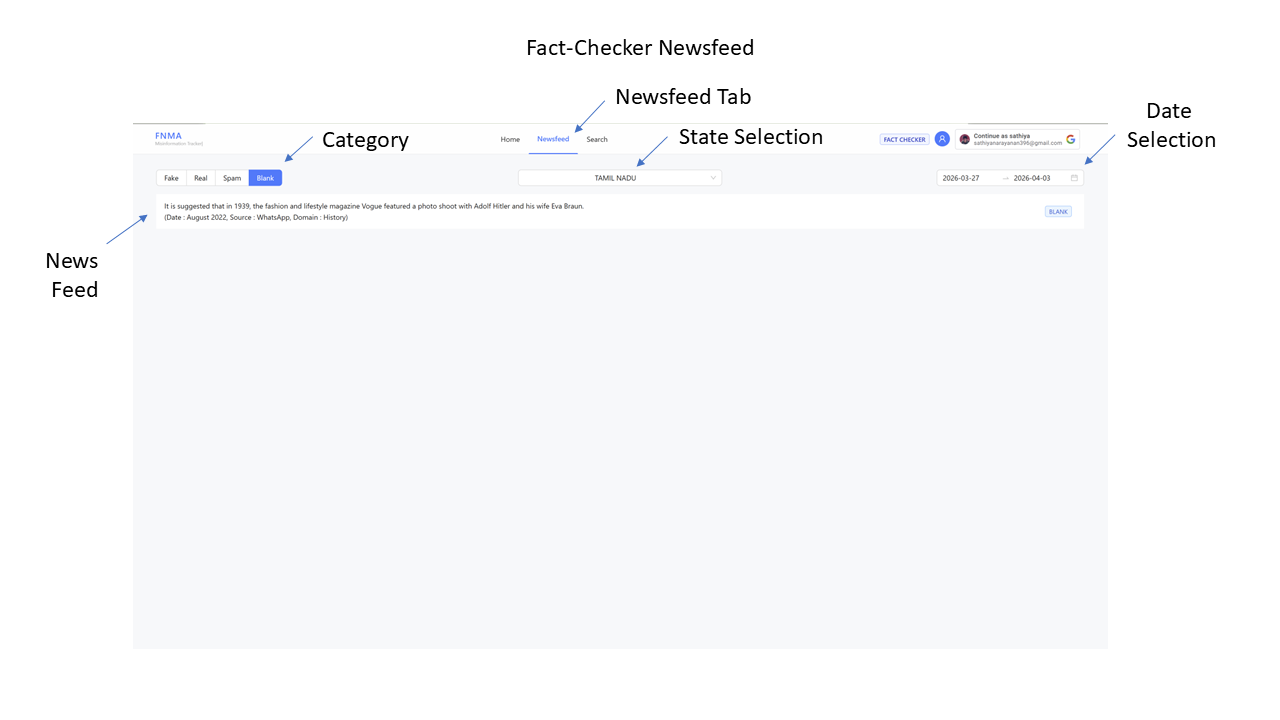
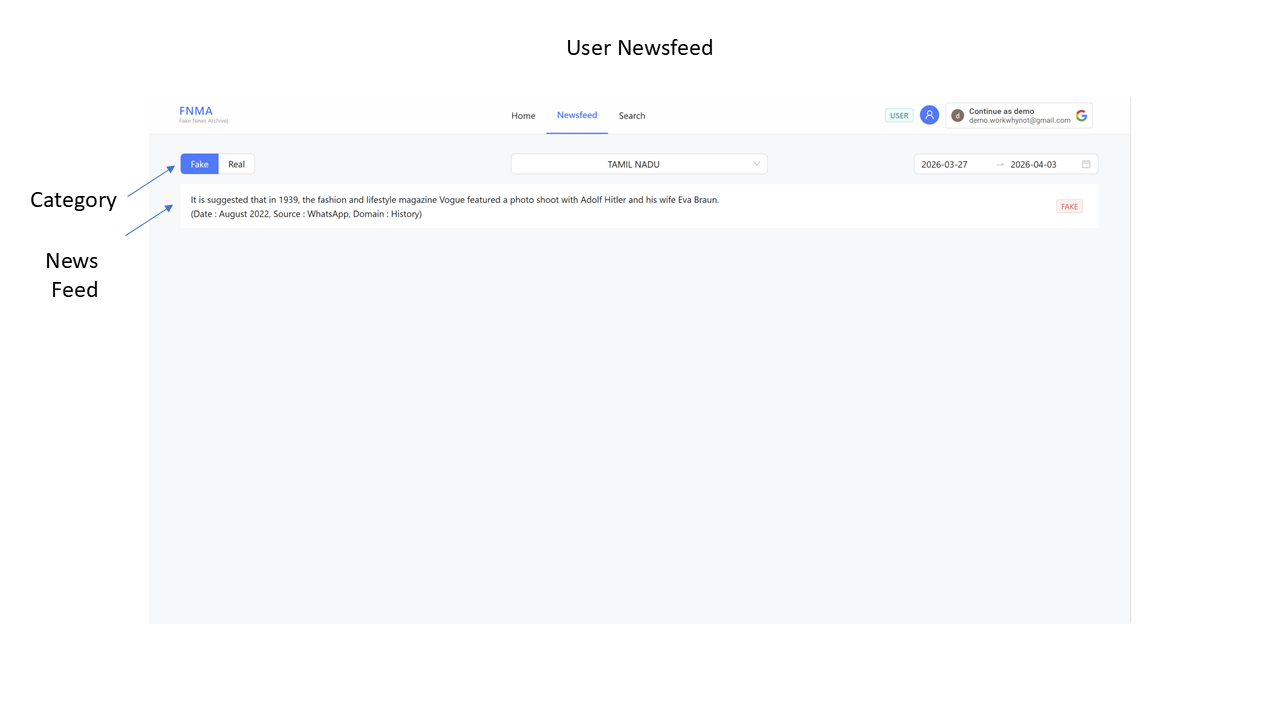
The ecosystem is anchored by two complementary interfaces designed for distinct audiences and interaction modes. The website serves as the primary platform for fact-checkers and the analytically engaged public: it is the space for submitting claims, reviewing fact-check verdicts, and exploring aggregate statistics. Its design prioritizes depth—offering detailed breakdowns of misinformation patterns, regional behavioral trends, and the performance of submitted claims over time.
The mobile application is optimized for accessibility and everyday participation. Users can submit claims on the go and view relevant data in a format suited to quick comprehension. Crucially, the app presents each user with a behavior score—a personalized metric reflecting their engagement quality relative to others in their region. This score is not punitive but orienting: it situates each individual within the broader collective, creating a tangible, social dimension to what might otherwise feel like an abstract civic act. Together, the website and app form a layered ecosystem—one that lowers the barrier to participation while preserving the analytical depth needed to sustain credibility.
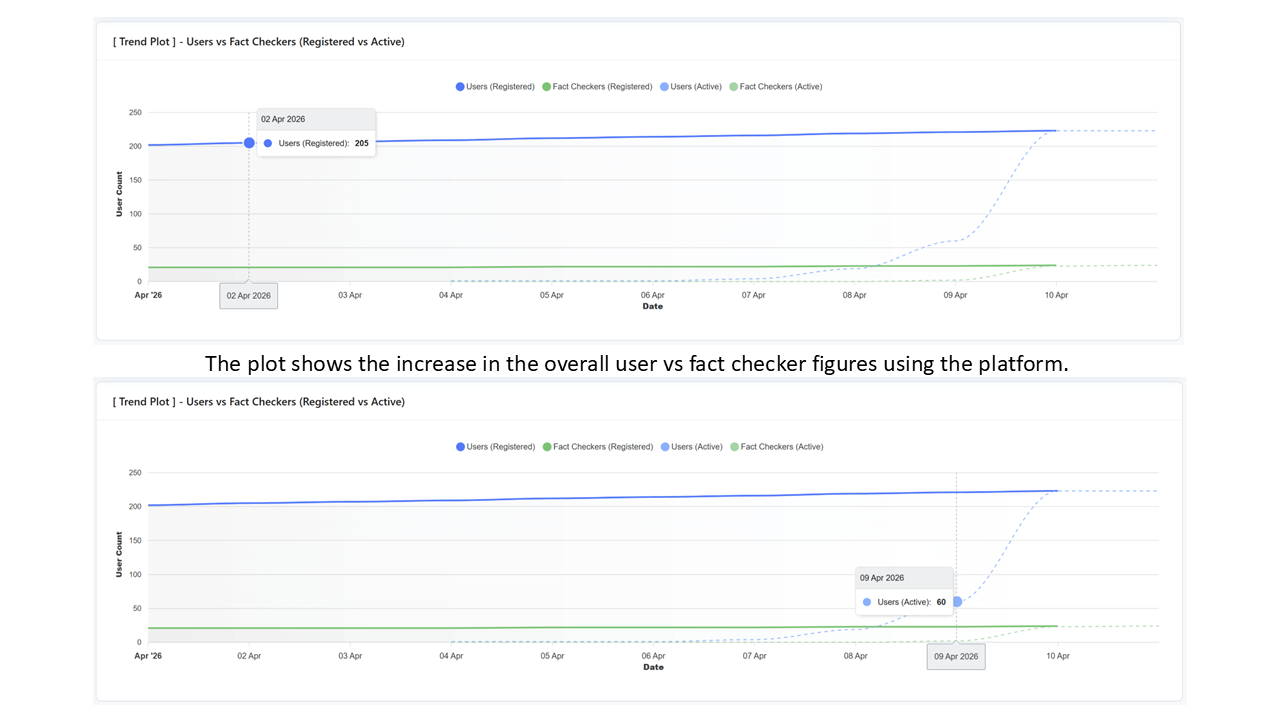
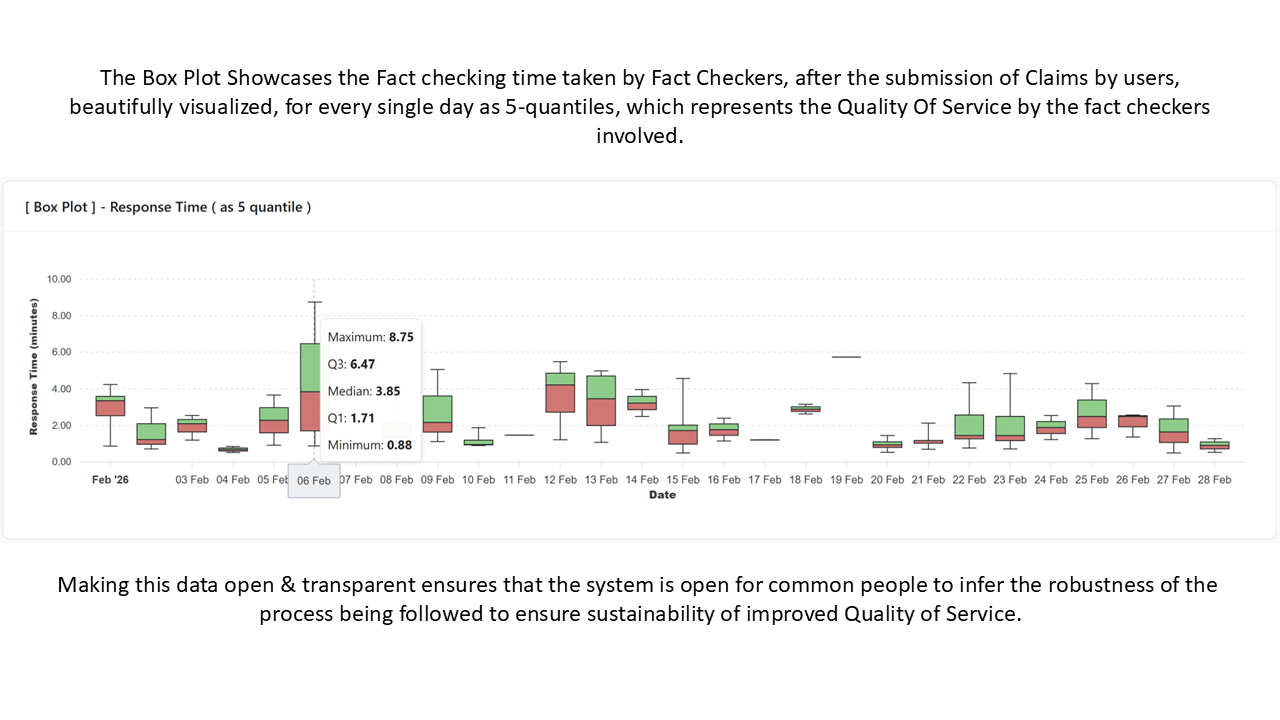
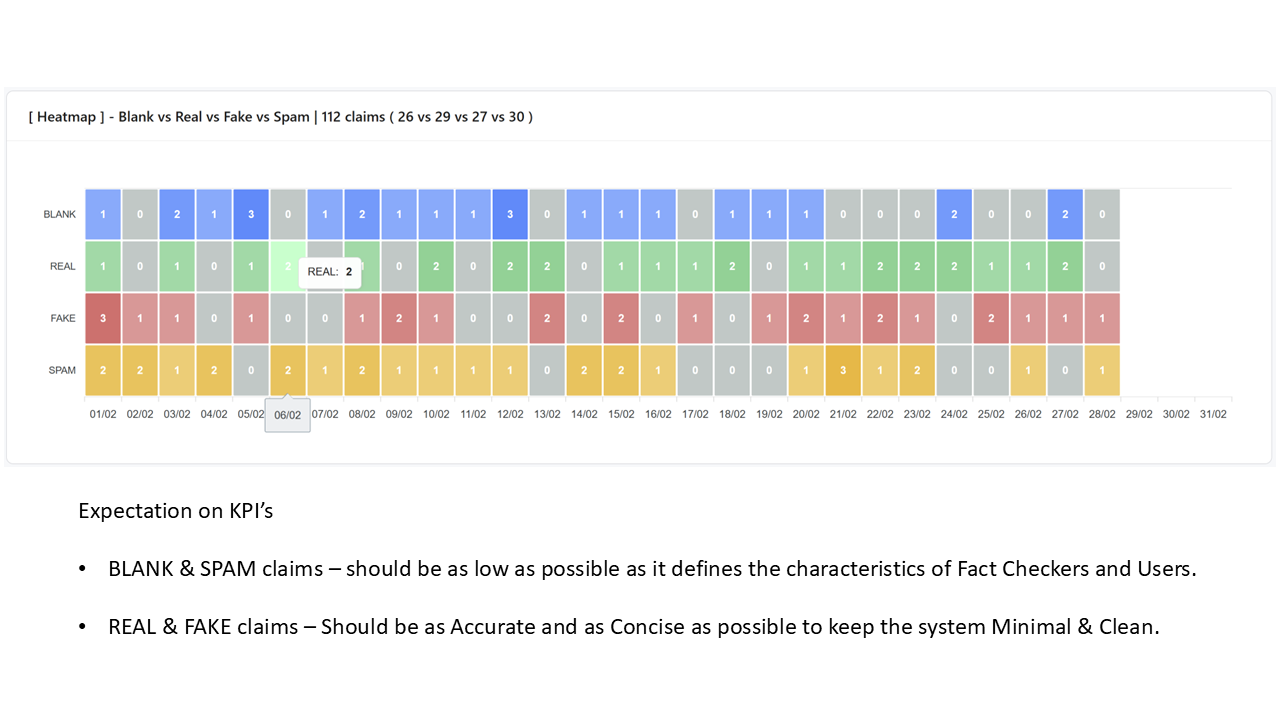
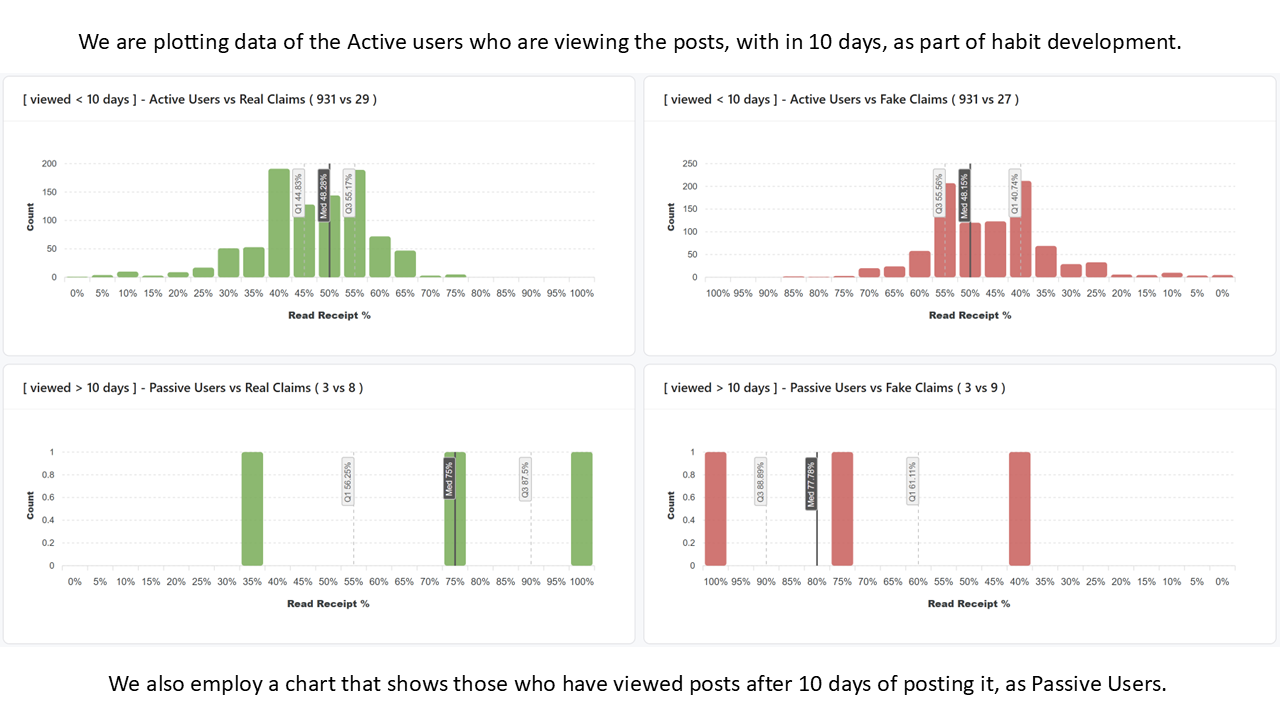
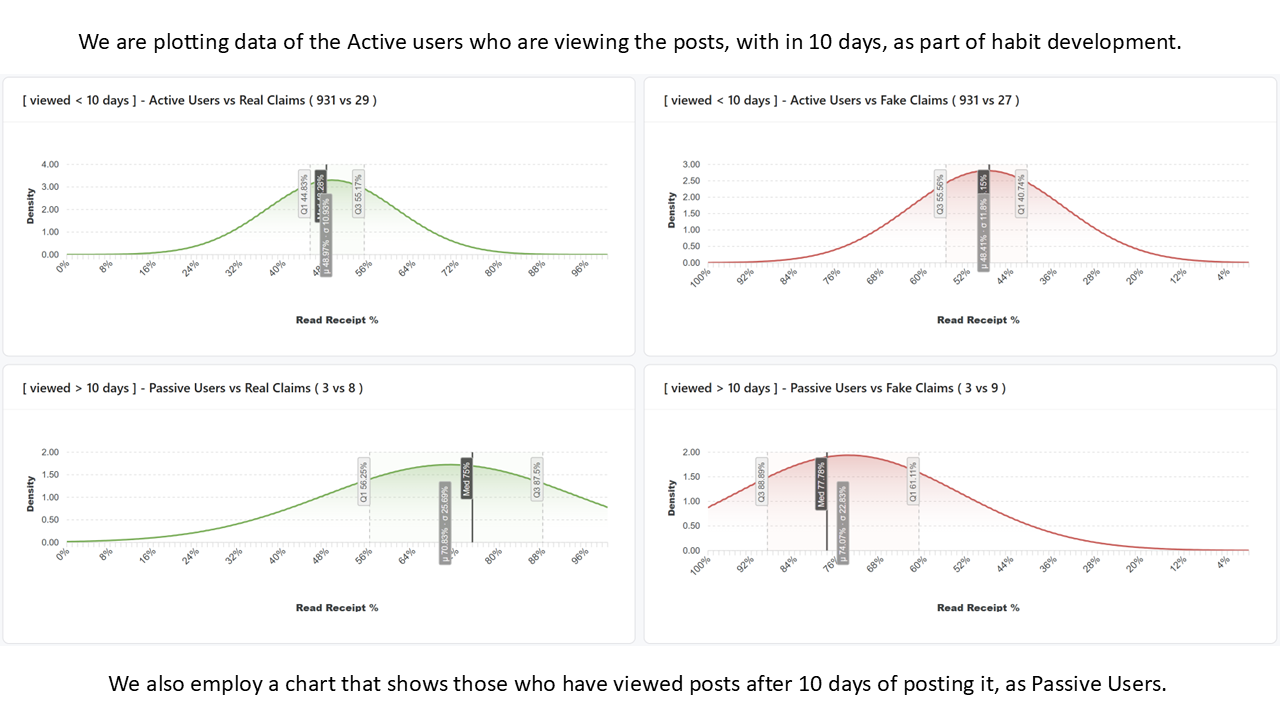
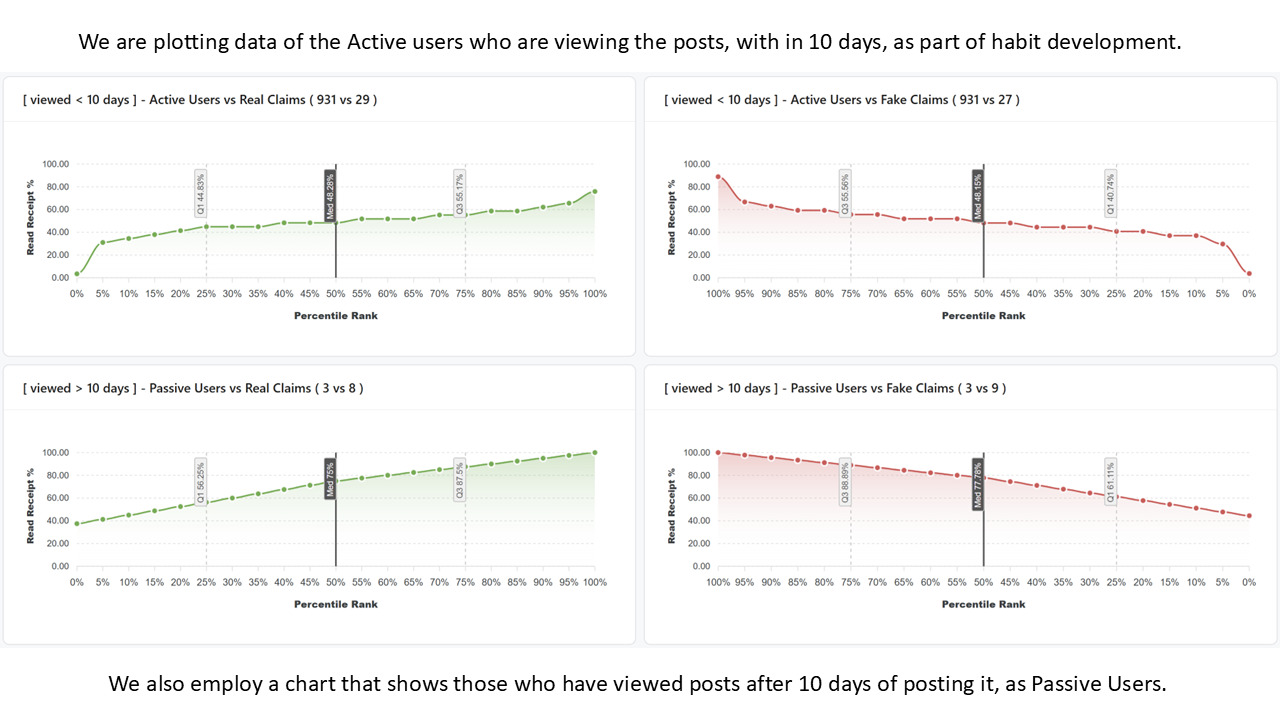
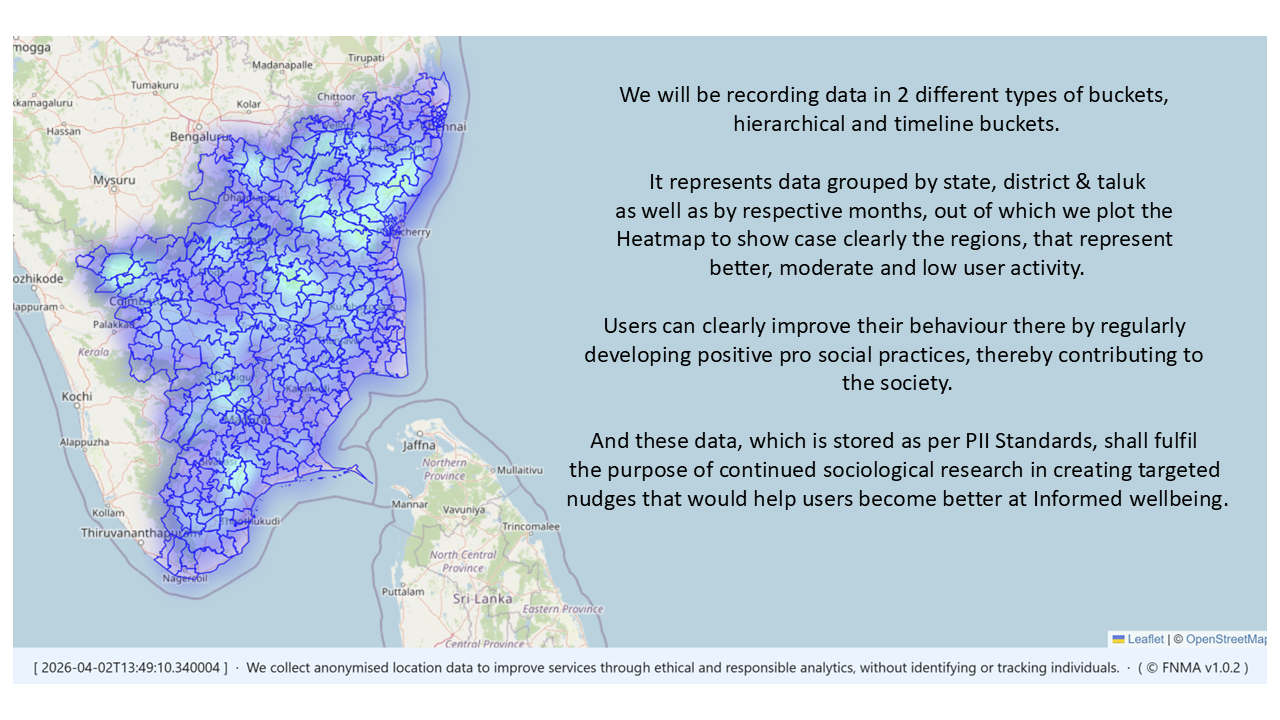
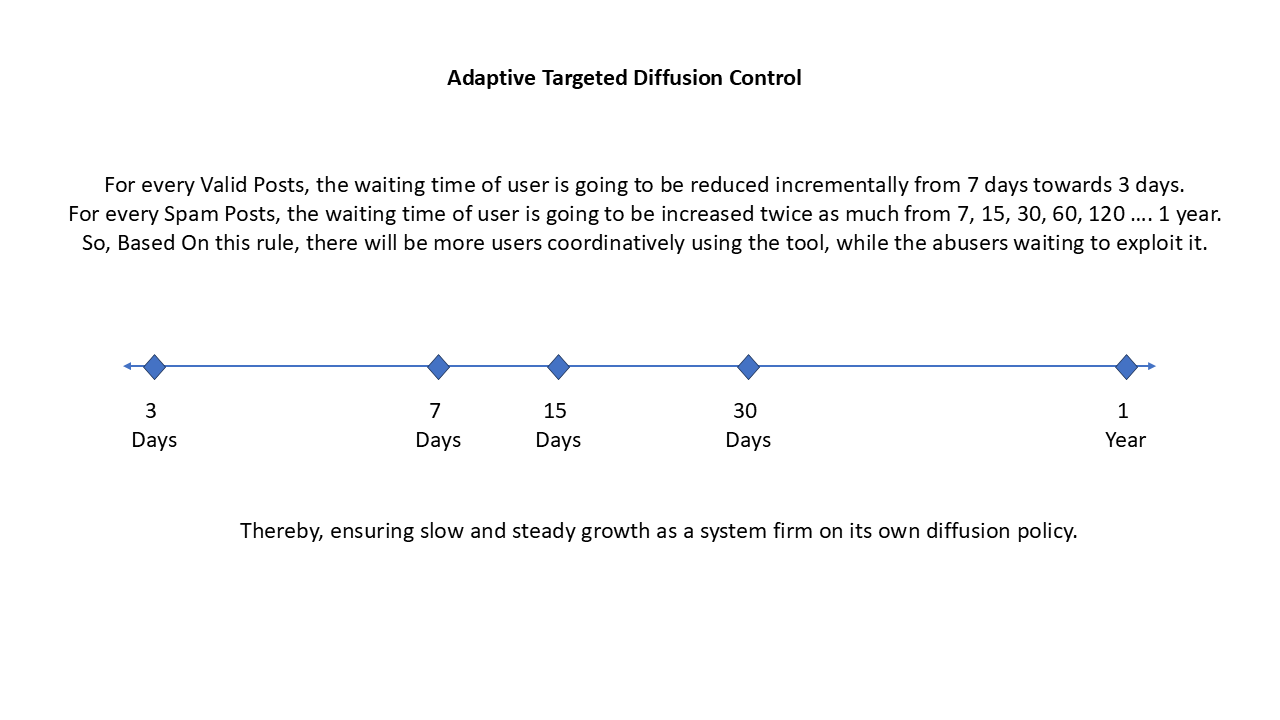
The process is the heartbeat of the system—the set of norms, rules, and behavioral constraints that determine how the platform breathes and adapts over time. At its core is a simple but powerful rule: after submitting a claim, a user must wait 7 days before submitting another. This interval is not an arbitrary friction; it is a deliberate filter. It ensures that the platform attracts users motivated by genuine civic concern rather than those seeking to exploit it as a high-volume submission channel. By introducing temporal cost, it structurally disadvantages bad-faith actors while preserving access for considered, intentional participants.
The system does not, however, apply this interval uniformly. It employs a mechanism called Adaptive Targeted Diffusion Control—a dynamic rule engine that modulates submission intervals based on behavioral signals. Users who demonstrate prosocial engagement—acting as volunteers, consistently submitting credible claims—see their interval reduced to 3 days, rewarding contribution quality with greater access. Conversely, users who repeatedly submit spam or low-quality content face progressively extended intervals—potentially up to one year—effectively excluding chronic abusers from meaningful participation without requiring manual moderation.
This adaptive logic makes the system self-regulating and self-improving over time. It does not rely on a permanent moderation workforce to police behavior; instead, it encodes behavioral norms directly into the process architecture, ensuring that the platform's health is maintained through structural incentives rather than reactive enforcement.
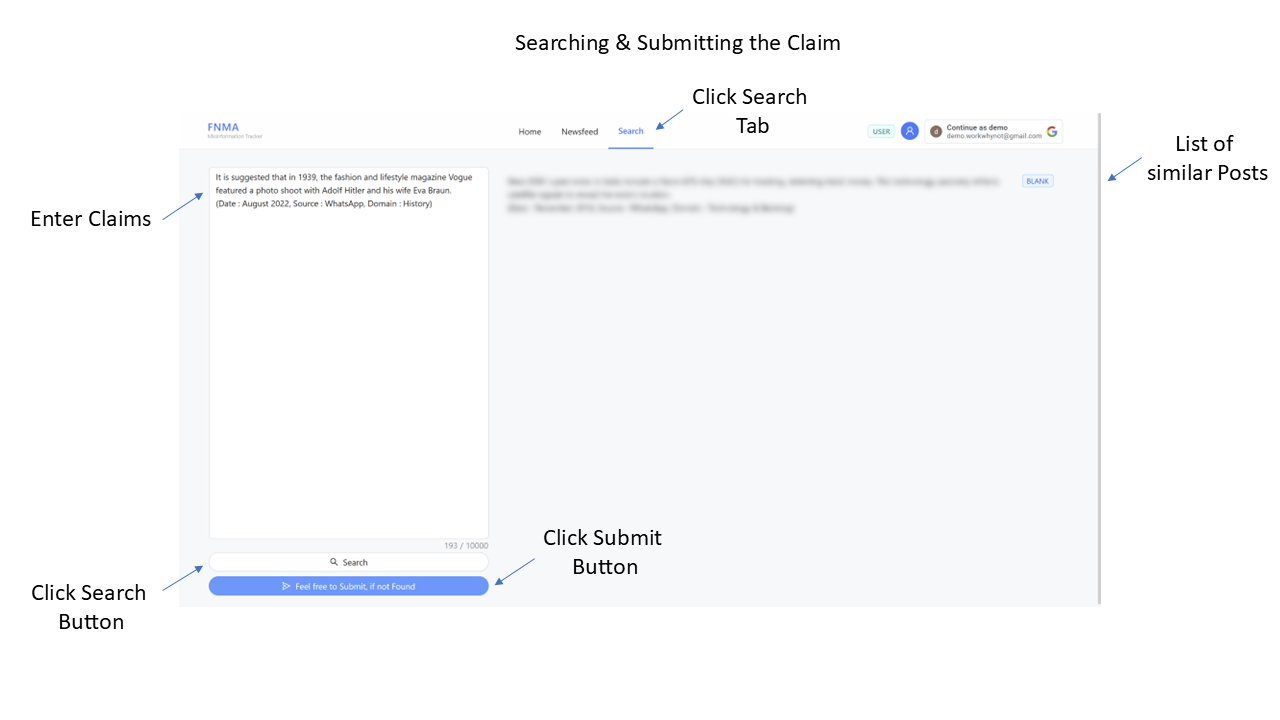

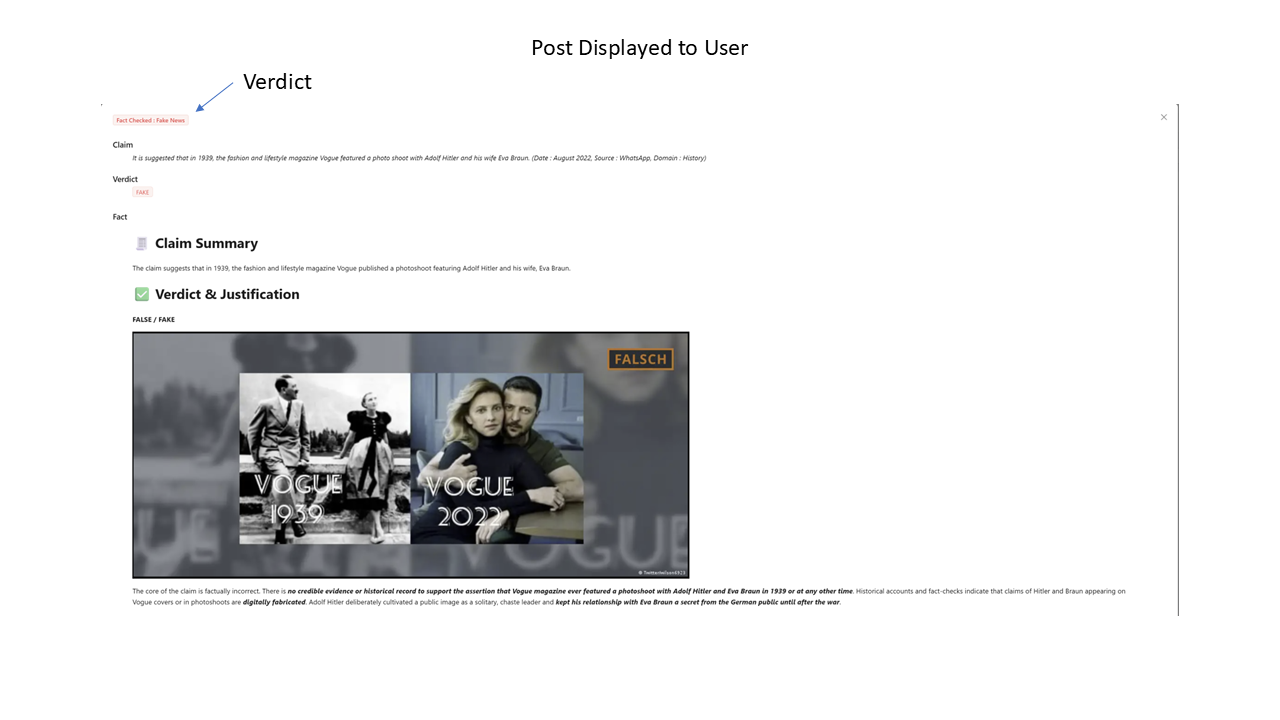
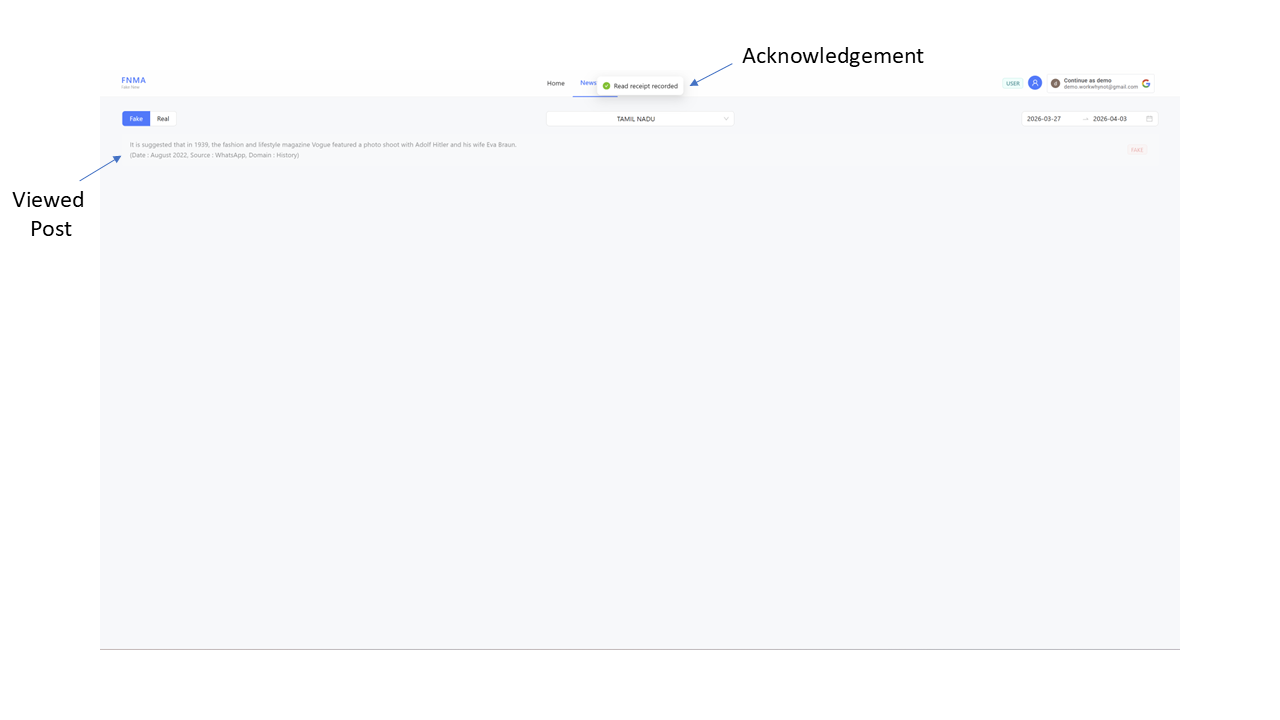
The system's ambition extends beyond solving a bounded problem for a single region. Its deeper purpose is to create a reproducible process—a modular ecosystem of tools and norms that can be scaled to progressively larger geographic and demographic contexts. What begins in one city or country is designed, from its inception, to be legible and transferable elsewhere.
The metric of success is not simply accuracy or engagement volume. It is the observable trend of how communities shift over time—how consistently people choose to engage with verified information, and how that choice compounds into a culture of pro-active, conscious well-being rather than reactive, emotionally-driven civil unrest. This shift is the real output: not a dataset, but a durable change in collective behavior.
The product, process, and associative norms of this ecosystem are architected on the principles of culturonics—the deliberate design of new lifestyles, artistic movements, and communicative forms that reshape how communities relate to information, to each other, and to civic life. Culturonics recognizes that lasting behavioral change does not emerge from mandates or incentives alone; it requires the gradual redesign of the cultural substrate in which behavior is embedded. By operating at this level, the system aspires not merely to correct misinformation but to cultivate the conditions in which informed, solidarity-driven societies can sustain themselves—quietly, persistently, and at scale.
Traditional economics models humans as homo economicus—perfectly rational agents maximizing utility as consumers and profit as producers. Behavioral economics challenged this view by showing how cognitive biases, heuristics, and predictable irrationalities limit the efficiency of free markets and leave them vulnerable to manipulation. But stopping at psychology alone offers only a partial explanation.
A deeper structural force is the disparity in information available to different actors. Information asymmetry distorts decisions in individual transactions and becomes far more dangerous at the scale of civic life. The spread of unaddressed, fabricated narratives can be more damaging than short-lived propaganda: while such content may not trigger immediate reactions, it gradually shifts the Overton window and produces long-term social polarization that can even alter standards of living.
Restoring rationality within large populations therefore requires a shared informational infrastructure—something people can rely on to clarify widespread misunderstandings and keep public discourse anchored to verifiable reality. Though subtle, routine access to credible information makes reasoning more critical and less impulsive over time.
Evidence from development economics supports this approach. As demonstrated in the Nobel Prize–winning work of Abhijit Banerjee and Esther Duflo through the Abdul Latif Jameel Poverty Action Lab (J-PAL), targeted information, structured incentives, reminders, and social nudges can significantly improve decision-making and alleviate poverty. Applying similar principles—combined with essential statistical literacy—can help societies reinforce collective rationality, sustain it, and maintain resilience against misinformation even when future exposure is inevitable.
The Final question is,
Should we become fragments-of-futile (or) Should we embrace frameworks-for-future ?

( Click the Google Forms link below )